Saturday, May 24, 2025

Heavy Duty Tarpaulins Stand Up to Nature's Extremes

It is a primary importance to shield such things from the extreme vagaries of nature. Heavy duty tarpaulins are greatly beneficial in many industries and outdoor activities. With this, the unpredictable weather creates an even loftier demand for making tough and durable covers. The best thing about such kinds of Tarpaulins is that they do not only protect your belongings from rain and sunlight but from extreme temperatures, high winds, and even snow or hail.

Heavy Duty Tarpaulins in Understanding

What are Heavy Duty Tarpaulins?

Heavy duty tarpaulins are heavy coverings made to withstand adverse weather conditions. These representations range in diametrical thicknesses and gauges. It is used mostly in construction and agriculture. Excellent types of heavy-duty tarpaulins may also be found in vinyl and polyethylene. These materials are highly treated to resist tears, water, and ultraviolet rays, and you child would find them on construction sites, farms, ships, and disaster zones. They are counted as known tools for protecting everything from raw material to delicate equipment.

How Heavy Duty Tarpaulins Resist the Nature Extremes

Durability Against Harsh Weather

Heavy-duty tarps are thus created for wrathful weather conditions. It bears pelting rain or heavy snow and hail, without burning out its strength. Many can bear extreme temperatures-from very hot to extremely cold. Some even last for years, even in the roughest environments.

UV and Chemical Resistance

Normal covers can be easily hampered by sunlight. Heavy duty tarps, on the other hand, employ UV inhibitors for no sun damage. They tend to be more flexible and strong for a longer time. They're also resistant to chemicals like oils, acids, and other corrosive substances, thus rendering them ideal for the industrial environments.

Industry Application: Showing Extreme Performance

Construction and Infrastructure

Building sites require heavy duty tarps. These tarps keep materials safe from storms and extreme heat. Most construction companies that operate in hurricane-prone areas use these covers to protect supplies from the wrath of extreme weather events.

Agricultural and Livestock

Farmers use heavy duty tarps as covers for hay bales or as shelters for animals from snow, rain, and wind. Heavy Duty Tarpaulin keep feed dry and tidy for quality maintenance. They are a great tool for farm safety in some of the toughest climates.

Marine and Transportation

Shipping cargos across storm-ravaged seas and very rough roads need tough protection. The marine-grade tarps can withstand seawater and severely almost any condition. They keep belongings safe while the transit process is going through and thus will avoid damage to expensive things.

Emergency and Disaster Relief

Heavy-duty tarps function as emergency shelters during storms or flooding. Basically, they're easy to put in place and can endure days of heavy rain and debris. Their strength in real disasters has created a reputation for saving life and property.

Heavy Duty Tarpaulin for Extreme Conditions

Material and Construction Considerations

Good polyethylene or vinyl choices are to be considered according to the use. Polyethylene is flexible and light while vinyl is stiff and tear resistant. Achieve thickness, which comes in mils, to give added strength. Reinforcements around edges and grommets will add to durability.

Some Maintenance and Care Tips

Regular cleaning of your tarp with mild soap and water reduces dirt collection. It must be stored properly at dry and cool places for life extension. It saves money for repairs on small tears that can easily be mended with repair kits. However, follow the manufacturer's instructions for optimum application.

Conclusion

Heavy-duty tarpaulins are the true face-savers against some of nature's worst. Their tough fabric and ingenious features allow them to stand very tall against all those extreme events: the weather, the sunlight, and even the impact. Be it on a construction site, a farm, a vessel, or disaster zones, the right tarp offers life-long protection when chosen well. Because tough times call for tougher covers, investing therefore in quality and durable tarps is really wise. Heavy-duty tarpaulins keep at bay some of the fiercest conditions that nature has to offer.

Friday, May 23, 2025

Weather Resistant Garden Netting: What to Look For

More than ever, guarding your garden is vital. Strong netting protects your vegetables, fruits, and plants from birds, insects, and bad weather. As weather becomes more erratic, one should certainly search for Garden Netting that is weather-resistant. Choosing the appropriate netting lets your garden stay healthy and thrive longer. It may help you to get better crops and save money on replacements by preventing pests and weather from ruining your effort.

Learning About Weather-Resistant Garden Netting

What Is Weather-Resistant Garden Netting?

Specifically made for extreme outdoor environments is weather-resistant garden netting. It withstands rain, wind, snow, and UV rays unlike regular netting. These characteristics enable the netting survive longer and perform better. The materials employed are resilient, adaptable, and meant for extended outdoor use.

Why Garden Netting Should Be Durable

Garden netting might suffer from weather. Sun, wind, rain, and snow can tear or fade it quickly. Strong, weather-resistant netting will reduce replacements. It protects plants from bad weather and insects, therefore increasing the output of your garden. Furthermore, sturdy netting protects your garden from whatever by resisting storm damage.

Important Aspects to Search for in Weather- Resistant Garden Netting

UV Stabilization

The UV rays of the sun can quickly fade or damage netting. Manufacturing embedded UV stabilizers is a sign of good weather-resistant netting. This prevents it from degrading after extended exposure and increases its lifetime. Always look on product labels for UV resistance; this is the greatest indication of a durable net.

Mesh Size and Material Thickness

Here especially, balance is essential. Denser materials resist ripping better and endure longer. A very dense mesh, however, might impede sunlight and air flow, therefore damaging the plants. Smaller mesh is best for pest management; larger gaps provide more ventilation. Choose the best mix for your garden needs whether you are shielding against insects, wind, or sunlight.

Coatings and Treatments for Weatherproofing

Certain netting has coatings that make it water-resistant. These finishes slow mold accumulation and stop fraying. Treatments resistant to mildew, mold, and ultraviolet light help the net maintain its new appearance longer. Although this additional layer of security raises the expense, it greatly prolongs the life of your netting.

Tear and Wind Resistance

Less durable netting can be destroyed or torn by storms and strong winds. Search for double-stitched seams and reinforced edges for extra strength. Designed to remain in place during gales, wind-resistant Debris Netting offers your garden ongoing defence without frequent changes.

Color and Opaqueness

Your netting’s hue will influence its pest deterrent capacity as well as its heat absorption ability. Though they may overheat plants, dark hues may keep bugs away and absorb more heat. Light colors absorb light and stop heat build-up. The degree of transparency also counts: while semi-transparent choices let some light and air pass through, strong, opaque netting works effectively to block bugs and minimize sun.

Top Garden Netting for Weather Resistance

Assessing Your Garden Needs

Begin with an understanding of the dangers your garden faces. Are pests your primary worry or are birds and weather the true foes? Look for wind-resistant netting if wind is a concern. Select a close mesh for insects. Choosing the best netting option depends on an awareness of local temperature and pest activity.

Examining Brand and Product Comparisons

Examine product specs thoroughly. Search for netting constructed from premium materials with UV stabilizers. Dependable companies usually get comments noting their efficacy and durability. Remember to evaluate warranty choices and costs; these will reveal much about quality.

Regarding Maintenance and Installation

Select netting which is quite simple to put together. Quick repairs are provided by some companies with eyelets or strengthened borders. Cleaning off grime and rubbish is part of maintenance; a basic rinse with water preserves it. Frequent inspections helps identify early tears, therefore cutting replacement costs.

Cost-Effectiveness and Longevity

Spend slightly extra on better netting. Though more expensive up front, it endures longer and therefore saves you money over time. When making your decision, warranties are another indication to take into seriously. Your plants will be protected season after season by a robust, strong net.

Conclusion

Choosing weather-resistant Privacy Netting comes down to its material quality, durability, and weather resistance characteristics. Constant search for UV stabilizing, decent mesh size, and robust coatings. Good protection determines the health and output of your garden. Your plants remain safe with the appropriate netting, and your gardening work pays off for years to come. Make wise investments and have a fruitful, pest-free garden to enjoy all year.

Thursday, May 22, 2025

Custom Printed and Branded Tarpaulins for Events

An event can either break or make a strong visual presence. Grabbing attention from far away is essential whether you are organizing a trade exhibition, festival, or sports event. One of the most flexible methods to enhance your event branding are custom printed Tarpaulins. They transform basic areas into striking presentations that clearly and loudly convey your message.

The Benefits of Using Custom Printed and Branded Tarpaulins for Events

Increased Brand Visibility and Recognition

An eye-catching large, vivid tarpaulin hangs. Well-designed, it becomes visible from a great distance, so guaranteeing your message reaches more eyes. For instance, outdoor festivals typically use enormous banners to guarantee that everyone misses the specifics in promoting sponsors or forthcoming events. The more vivid and large your brand is, the more people will likely recall it after the event.

Cost-Effective Advertising Solution

Tarpaulins are inexpensive when compared to billboard advertisements or digital ads. They also endure longer and many events without a drop in quality. Good materials can endure sun, rain, and wind, so justifying your expenditure. Custom tarpaulins are a great option that pays off over time if you want constant exposure.

Customization Flexibility and Design Options

Tarpaulins can be everything you want them to be. Detailed images and brand emblems abound in full-color printing. Sizes can be customized to suit any environment—large or small. Matte or glossy finishes add elegance; reinforced edges and gormet make installation easier. Include whatever helps best narrate your story—slogans, event dates, sponsor logos.

Types of Tarpaulins Suitable for Events

Vinyl Tarpaulins: Durable and Weather-Resistant

Vinyl tarps are strong. Their resistance to water, tears, sunlight makes them ideal for outdoor use. You will come across them in festivals, fairs, and sporting events when the forecast might be variable. Vinyl's toughness ensures your message is visible regardless of the circumstances.

Mesh Tarpaulins: Reduced Wind Resistance and Breathability

Light and airy, mesh tarps let wind pass through. These qualities make them perfect for big banners in windy environments including open-air concert venues or sports venues. They offer a semi-transparent effect that boldly displays your message while also providing depth to your display.

Canvas and Fabric Tarpaulins: Top Look and Feel

Canvas or fabric tarps provide a modern finish for upscale or interior events. They add a more refined elegance to your presentation. These materials are also great for companies trying to support sustainability since they are environmentally friendly alternatives.

Designing Effective Custom Branded Tarpaulins

Key Elements of an Eye Catching Design

Employ bold, opposing colors that draw the eye from a distance. Readable, clear fonts guarantee fast understanding of your message. Professionalism is added by high-resolution pictures. Consistency depends on your working inside branding rules. Make your communication simple yet powerful.

Working with Specialized Designers

Working with qualified graphic designers can help you maximize your visual impact. They know how to balance text, images, and colors for optimum results. Be explicit about your objectives and give every relevant detail. Frequent input aids in perfecting the design many times over.

Print-Ready File Best Practices

Make sure your files—at least 300 dpi—high resolution. For genuine color reproduction, use CMYK color mode. Send documents in PDF or TIFF format. To keep printing clarity, stay away from heavy text blocks or poor-quality photographs.

Customization and Printing Method

Choosing the Best Material and Finish

Your event site will help you choose between glossy and matte finishes. Grommets and reinforced edges give additional installation strength. Consider the Economy Tarpaulin hanging location and choose a finish that promotes durability.

Selecting the appropriate form and size

Most requirements can be met with standard sizes; however, unique forms can really shine apart. Measure the area precisely, taking mounting options and viewing distance into account. Large outdoor sites call for oversized banners; smaller ones fit more subdued indoor settings.

Production Timeline and Quality Assurance

Production typically ranges for most printing firms from five to ten days. Always ask for quality evaluations. Search for strong building and vivid hues. Your tarpaulin ought to withstand environmental pressure and seem sharp.

Installation and Maintenance of Branded Tarpaulins

Good Installing Methods

For safe mounting, use ties, grommets, and hooks. To prevent flapping or wear, make the tarpaulin tight. Particularly for big or hefty banners, safety precautions are crucial. Good design prolongs life and helps to avoid mishaps.

Maintenance Tips to Maximize Lifespan

Use water or a soft cloth to clean dirt. Steer clear of strong detergents able to ruin materials. When not in use, keep tarpaulins in a cold, dry location. Roll to avoid creases and harm rather than fold.

Reusing and Recycling Options

Many reliable tarps can be recycled. If they wear out, think about environmentally friendly disposal. For crafty projects, reuse your banners from past events or trim them into smaller sections. Responsible reuse helps to create a greener planet.

Conclusion

Successful event marketing depends on custom printed and branded tarpaulins, which are vital instruments. They present numerous design possibilities, high visibility at a reasonable price. Maximum effect will result from careful material selection, collaboration with experienced designers, and correct installation. Work today with reliable vendors to create memorable branded tarpaulins for your next event.

Wednesday, May 21, 2025

Tarpaulin Breathable Durability for Outdoors

Under many circumstances, choosing an excellent tarp for an outdoor setting can be critical. The tarp isn't just meant to cover your stuff; it needs to last and breathe just as well. With a greater need for all-purpose reliable coverings, outdoor activities, emergency preparedness, and construction projects increase in demand. Therefore, Tarpaulins UK could be classified into a series on materials, weathering, and breathability. This guide will highlight all three fundamentals to assist in making sound decisions for the outdoor setup.

Knowing Tarpaulin Materials and Their Breathability

Types of Fabrics Used in Outdoor Tarpaulins

Outdoor tarpaulins are made from many types of fabrics, each having its specific properties. Polyethylene is the dominant material because of its low cost and excellent water-resistance properties. Canvas tarps are thicker and heavier, which allows them to breathe better than any form of plastic. PVC tarps are extremely waterproof and are often used for heavy-duty work. Polyester blends are lightweight and strong yet weather-resistant.

The Importance of Coatings and Treatments

Additional coatings are quite common on most tarps to make them stronger against water and abrasion. The most common are polyethylene and vinyl, sealing the fabric against water. Polyurethane (PU) coatings can provide flexibility and allow breathability, particularly with polyester tarps. Some treatments improve breathability without sacrificing water resistance. Porous micro-perforations or special coatings promote airflow, breaking up condensation, keeping the tarp dry as well as the gear below it.

Factors Affecting the Durability of Tarp for Outdoor Use 

Material Properties and Their Resistance to Tear

The strength of the tarp fabric determines how thick the fabric to be used will be; it is usually calculated in denier. Thicken fabrics tear and wear better; hence it is most adaptive to the rugged environment. Heavy-duty tarp tends to measure 18 - 22 oz/sq yard usually used for construction sites. Best materials also have reinforced edges and double-stitching, preventing any tear from increasing. These features are essential for outdoor heavy-duty tasks to last longer to tarps.

UV Resistance and Weatherproof

Exposed to sunlight, many fabrics can literally break down. For this reason, UV-resistant tarps last longer without cracking and fading. Weatherproofing is for rain, snow and wind. Good tarps have sealed seams and waterproof coats that keep the leakage or rotting chance low. The most effective tarp is within UV rays protection and weather resistance, and it keeps efficient use for more years, thus saving money and hassle.

Mechanical and Abrasion Resistance 

Things become tough outdoors. You can also rely on edges reinforced with grommets and double-stitchings, which can load the tarp with mechanical stress. This kind of phenomena at its weakest points stops any rip from extending. Prevents a tarp from falling when the tarp is secured tightly. You should always treat your tarp like a proper human being and if the opportunity allows, then store in a dry, clean place. Proper handling and prompt maintenance get the tarp to serve longer efficiently.

Maximizing Breathing Without Compromising Water Coursework

Understanding Ventilation Features

Vents, mesh panels, or micro perforations are just some of the ventilation features found on most breathable. They bring about air circulation while it keeps rain out. For instance, small vents located close to the top of a shelter allow airflow in the tent, thus reducing condensation and internal humidity. Micro-perforation technology creates tiny holes in fabrics to allow moisture to escape while maintaining waterproofness. This keeps your Canvas Tarpaulin dry and fresh and works well on hot nights.

The balance between waterproofness and ventilation boils down to the ideal point. An overly airtight tarp sequesters moisture within it. One with great ventilation and a poor rating for water penetration is not going to stay out for long. Go through hypothec and vented tarps reflects the specialty commercial coatings. Think about your local weather -- in humid, rainy areas, waterproofing predominates with some ventilation. Dry, sunny places, on the other hand, might be better served with breathability.

Expert Recommendations

Outdoor gear pros advocate testing a tarp prior to purchase. A simple trick is to hold it out and see if water bead forms quickly. Also, check from manufacturers about how breathability ratings are measured among others. Best tarps with micro-perforation or mesh panels offer the best of both worlds: protection with airflow.

Practical Applications and Use Cases: Camping and Backpacking.

Breathable tarps are essential for campers. They prevent condensation, which causes sleeping bags to become wet. Lightweight, portable polyester or nylon tarps are popular with hikers. A good example: a waterproof yet breathable tarp that else wards your tent, keeping dew out yet allowing air in. 

Construction and Event Coverings

Heavy-duty and waterproof tarps protect construction sites and outdoor events. They require thick fabrics that stand up to UV rays while resisting tears and abrasions for these tough situations. Reinforced grommets and sealed seams add a level of security against rain and wind.

Emergency and Disaster Preparedness

A durable, dependable tarp can help save lives in extreme need. Ideally, one should acquire weatherproof and breathable tarps to use in an emergency kit. They will shield the shelter, supplies, and help to eliminate the chances of mold and mildew in humid conditions.

Conclusion

A tarp that has the right balance of durability and breathability is the essence of the outdoor experience. Whenever camping, working, or doing preparedness, the right decision will protect your footing and offer comfort. Concentrate on material, weatherproofing, and ventilation to choose what suits your outdoor activity best. Investing in good-quality custom tarps means peace of mind and long-lasting protection.

Tuesday, May 20, 2025

Choosing Tarping Bungee Cords Suitable for Tarp Material

A tarp is a wonderful utility item for a lot of outdoor activities, from camping to construction sites. But any tarp will thwart your plan if it is not properly tied down. The right bungee cords for your tarps are key to keeping it tight, secured, and durable, while the other will do nothing but get it torn down, slip off, or cause accidents. Good Bungee Cords are like your tarp's best friend, as they assure stability and increase the life of your tarp.

Understanding Tarp Materials and Their Attributes

Types of Tarp Materials

  • Polyethylene: A lightweight, economical tarp that resists water but stretches easily.
  • Vinyl: Heavy-duty, very durable, and tear-resistant; allows blocking for UV rays.
  • Canvas: Thick and strong, naturally breathable; suitable for camping and shelter.
  • Mesh: Considered more breathable; works for shades but is less waterproof.

Each fabric handles tension differently. Some fabrics are flexible, while others are stiff. Knowing the fabric traits aids in selecting bungee cords to match perfectly with the tarp. 

How Material Decides Bungee Cord Choice

The way a tarp fabric reacts to stress will influence which cords are best. Flexible materials may well require bungee cords with a lot of stretch so that they can stretch with the fabric without tearing it apart. Tougher fabrics would require stronger cords-wires capable of holding heavy loads. The right cords prevent loss of tarp fabric and ensure a good hold for your tarp.

Choosing Bungee Cords for Tarp Material

Material Compatibility

It is natural for bungee cords to be of the same material as the tarp fabric. UV-resistance rubber cords will always prove to be ideal outdoors as it can withstand sunlight without becoming brittle or cracking. In an event of cords being dissimilar, it will lead to tarp being damaged through fraying or tearing over time.

Cord Strength and Elasticity

One should always keep in mind how much weight the tarp will have to bear. A small tarp for personal shade is going to require less powerful cords than a huge waterproof cover for a truck. So ensure that the cords hold enough elasticity to easily bear wind and tension variations without snapping. Proper elasticity enables the tarp to remain tight even when the wind begins to change.

Cord Diameter and Length

Thick cords hold better but can damage edges. A good rule of thumb is to use cords that are strong but not so thick that they crush the tarp. Length is also important; a longer cord gives you more stretch and allows for an easy, safe attachment. Always measure your tarp before buying to choose the best size.

Coating and UV Resistance

Outdoors, cords are treated with sun, rain, and wind. UV-proofs are what save cords from cracking or fading. The coated cords resist corrosion especially if you are residing near the salt air or if you are often subjected to rain. Investing on UV-resistant and coated cords will make them last longer and run better.

Useful Guide for Choosing the Right Tarping Bungee Cords

Analyzing Tarp Size and Weight

First, measure your tarp's width, length, and weight. Larger and heavier tarps need thicker and stronger cords. For example, a 10×12 footing Tarpaulin Sheet may require only 1/4-inch cords, while heavier tarps may use 3/8-inch or even larger. Always choose cords rated to hold at least 150 percent of your tarp load.

Considering Environmental Conditions

The weather strongly affects cord selection. Bright sun and rain may weaken materials over time. For outside setups, opt for UV- and waterproof cords. If you are suspecting more storms and wind, choose cords of high elasticity to grip tightly during the gusts as they stretch.

Professional Advice

The pros suggest double-stitched grommets to secure attachment points. Use hooks or clips that are galvanized and designed for your cords. Be sure that the cords are never tight: about 10 to 15 percent of play will give protection against tearing and allow for expansion. The cords should be checked for wear after each use, especially after bad weather.

Installation Tips and Best Practices

Adequate Attachment Technique

Always attach your cords evenly around the tarp so that stress points don’t arise. Use hooks or clips for these outdoor applications and gradually tighten the cords. Do not pull the cords too tight. Pulling the cords tight could cause them to break or create tears in the tarp edges. Always try to secure the cords to sturdy attachment points so that the adhesion is maximized.

Maintenance and Inspection

An additional way of determining maintenance and inspection is to give our cords a monthly visual inspection. Look for cracks, frays, or fading. Before any cord is damaged, it should be replaced. Keep them clean and dry to prevent unnecessary wear. Such care will lengthen the life of your bungee cords and keep the tarp well secured.

Conclusion

Safe, sturdy, and performing - these, of course, are the three most essential attributes that any bungee cord must possess, depending on the type of tarp material it is being used. The matching of the cord material with that of the tarp fabric becomes crucial; evaluate the strength required in relation to environmental assessment. Correct installation and maintenance would provide a secured setup for years to come. Getting good bungee cords is an easy step that translates into better protection and peace of mind.

Monday, May 19, 2025

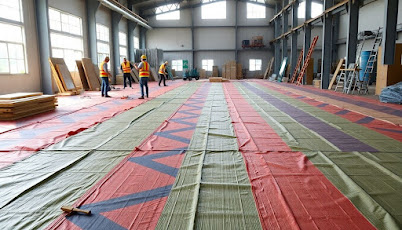
Temporary Floor Coverings Made from Reinforced Tarpaulins

These days more than ever temporary floors are crucial. Every where from crowded building sites to disaster zones we need rapid, low-cost, long-lasting answers at large outdoor events. For such uses, reinforced tarpaulins have been increasingly favoure. Their resistance to heat and rough handling makes them perfect for temporary flooring. This guide will help you understand why game-changer reinforced Tarpaulin Sheet floors are changing the floor. We'll look at their advantages, installation procedures, and practical use cases demonstrating their worth.

Knowing Floor Coverings: Reinforced Tarpaulins

Reinforced tarpaulins are what?

Heavy-duty sheets composed from robust materials like polyethylene or polyester are tarpaulins reinforced. Their extra strength comes from a strong weave or scrim buried inside the fabric. This reinforcement aids against outdoor elements, punctures, and tears. Their breadth and thicknesses make them adaptable for a range of tasks. Their resilience and adaptability make them ideal for temporary flooring required to withstand challenging conditions.

Benefits Above Conventional Temporary Flooring Solutions

Reinforced tarpaulins usually weigh less and cost less than plywood or rubber mats. They save time and work since they are easily rolled up and transportable. Their adaptability allows them to be quickly transported from one site to another. They also withstand general wear and tear, UV rays, and moisture. These traits help them fulfill several functions without rapidly losing potency.

Constraints to Keep in Mind

Though strengthened tarpaulins are very durable, they lack the weight capacity of high-density flooring like concrete or dense timber planks. Additionally, the surface can be uneven, which would lead to pain or sliding. Often using an underlay or cushioning helps one enhance safety and prolong the lifetime. These constraints should guide your design for temporary flooring.

Uses of strengthened tarpaulin temporary flooring

Celebration Sites and Event Venues

Outdoor concerts, fairs, and sporting events sometimes call for fast, weather-resistant flooring. In minutes, reinforced tarpaulins can be set out to ward against mud and rain. Additionally adding aesthetic interest, they come in several hues and patterns. These floors can be rolled up and stored readily for next usage when event facilities break apart.

Construction Locations

To provide safe pathways, construction crews sometimes cover irregular or muddy terrain. Reinforced tarpaulin floors help keep employees safe from sliding and protect surfaces from damage. When new structures are rising or when floors have to be hastily installed and taken out, these temporary fixes come in handy.

Disaster Relief and Emergency Response

In crisis areas, speed is paramount. Within minutes, reinforced tarpaulin floors can be set up to provide tidy covered spots or medical tents. Their resistance guarantees their withstand rough handling, water, and grime. This makes them a mainstay for rapid response teams all throughout the globe.

Commercial and Storage Applications

Secure flooring is sometimes required in warehouses or factories for temporary storage or short-term projects. An environmentally friendly option are reinforced Canvas Tarpaulin as they can be reused. They may be modified to various forms and can span great distances with little effort.

Advice for Maintenance and Installation

Getting the Surface Ready

Remove roots and stones from the ground of debris. Try as much as you can to level the surface to avoid unequal wear. Walking can be made safer and the tarpaulin shielded from sharp items by underlays or foam cushioning.

Setting and Securing the Tarpaulin

Weights, stakes, or ropes will help to stop movement by anchoring the boundaries. Overlap seams tightly to prevent gaps or bunching in places where big areas need to be covered. Ensure that everything is level so that there are no tripping possibilities.

Guaranteeing Long Life and Safety

Look often at the tarpaulin for punctures or rips. Little repairs now can greatly prolong its life. Resist exposing it to strong chemicals that might compromise the fabric; instead, brush off mud and grime to keep it clean.

Professional Advice

quick setup and sturdiness are emphasized by event organizers. Construction managers advocate using stakes or weights for safe anchoring. These best methods will enable you to maximize use of your strengthened tarpaulin floor.

Creative Elements Improving Reinforced Tarpaulin Flooring

Custom Print and Branding Choices

Many businesses logo or message tarpaulin prints. This converts a basic floor into a promotional item at festivals or events.

Textures and Coatings for anti-slip Purposes

Especially in busy areas, applying anti-slip coatings or textured surfaces increases safety. This means that everybody may walk on the floor more safely.

Interlocking and Modular Designs

Certain reinforced tarpaulin systems are meant to make connections effortlessly. Quick installation and removal interlocking sheets let you create bigger or shaped floors free of difficult seams.

Environmental Factors

Eco-conscious companies provide today compostable or recyclable choices. Proper reuse or disposal of tarpaulin floors helps to reduce waste and extends their life.

Environmental Impact and Cost Analysis

Cost Analysis using Other Temporary Flooring Supplies Generally speaking, reinforced tarpaulins cost less first than rubber or wood floors. Their reusability also reduces long-term costs particularly for continuous tasks or regularly scheduled events.

Recycling and Sustainability

Many can be recycled at their lifetime's end, and some last through many use. To further lower environmental effect, certain businesses are producing green materials.

Trends Moving forward

Future years should see more sustainable choices and adaptable designs. Smarter materials that fix tiny rips or change their surface for increased safety could be among innovations.

Conclusion

For temporary flooring requirements, reinforced tarpaulins seem to be a flexible, long-lasting, and inexpensive option. Events, building sites, emergency areas, and more can all benefit from them. Always prepare your surface properly, fasten the edges, and do routine inspections to get top results. Including reinforced tarpaulin floors in your designs will help you save time, money, and consistent protection. Think about this adaptable material for your next project; enjoy fast, safe, and efficient temporary flooring that works when it counts.

Friday, May 16, 2025

Clear Tarpaulin Mastery: Unveiling Its Many Uses

Clear tarps are indeed everywhere. They are quite simple, but they can do so much: from protecting all growing crops to covering all kinds of equipment, these general tarps are really must have everywhere. There is quite a demand in today's world for a robust, all-purpose tarp and the need for these primarily keeps increasing as the environmental and commercial requirements dictate. According to a recent survey, more than 70% of industries now utilize Clear Tarpaulin at least for a specific purpose.

Understanding Clear Tarpaulins: Materials, Types, and Features

What Are Clear Tarpaulins?

See-through tarpaulins that serve as covers to shield what's beneath them. This light-weight yet strong feature makes it weather-resistant so as to take it along. However, its main attraction, which serves as its selling feature, is transparency-thus, viewing through it would keep out rain, wind, and dust what color one may have chosen to shield it from. This latter would mostly be made of PVC, polyethylene, or vinyl, for these plastics are very durable, flexible, and sometimes waterproof.

Types of Clear Tarpaulins

  • Standard clear tarpaulin: Good for needs ranging from basic to moderate. Good transparency and decent strength.
  • Reinforced clear tarpaulin: Fiber or webbing added for extra durability.
  • Heavy-duty clear tarpaulin: Designed for harsh conditions, like work sites.

Key Features and Benefits

  • UV-resistance: To prevent the sun's rays from breaking down the material.
  • Water resistance: To keep the rain or moisture at bay.
  • Flexibility: Can easily be folded, cut, and shaped.
  • These include: Transparency- For cases where visibility is required.
  • Select the tarp according to what one is to do with the tarp.
  • Main Applications of Clear Tarps in Different Industries

Agriculture and Horticulture:

Farmers and Gardener practices where clear tarps are popularly known are beneficial to seedlings and crop production. They usually cover the protective plants by allowing light penetration to sustain plant growth. The popular uses are:

  • Greenhouses 
  • Shade covers for hot days
  • Row covers with pest control

Construction and Roofing

Temporary weather protection on a construction site with the help of clear tarps. Keep tools and materials dry when it is raining and work does not stop. Furthermore, an option in clear allows conducive space light and air flow in the working environment without hindrances to the view and air.

Events and Entertainment

Conducting outdoor activities means organizing activities and dealing with unknown weather conditions. Clear tarps serve the purpose of covering stages, stalls, or equipment while ensuring visibility. With that approach, events can go on unimpeded regardless of the weather conditions. It is very common in festivals, concerts, and fairs.

Transportation and Logistics

You want during transportation of goods protection that does not limit the view. Clear tarps do that quite well. Protect goods carried from rain and dirt during delivery. Whether on trucks, in shipping containers, or even just parked for outside storage, these tarps work wonders.

Home and Personal Use

If you have a small DIY project, a clear tarp comes in handy. Construct a shelter in your backyard, cover over a swimming pool, or create shade. These Tarpaulins are also popular as backdrops in photography. Children will use them as an instant pool or play area. Wherever one of these simple sheets goes, value is added.

When choosing the right clear tarpaulin

Size, Thickness, and Clarity

First, measure the area that you wish to cover. The larger the area, the larger the tarp. Thickness is described in terms of gauge or mils. A higher number indicates a thicker and, therefore, heavier and durable material. Consider, too, the duration or amount of heavy-duty use you want your tarp for. For lighter uses, you may consider thinner sheets; for longer durations, thicker ones would do. Clarity is not just about being clear. Clear tarps come in different gradients; some are crystal clear, while some are a tad cloudy.

Material Considerations

PVC is a thicker, heavier tarp. It stands up to tearing and resist UV damage. Polyethylene is lighter and cheaper, good for using indoors or short-term projects. Vinyl is pliable, stands up well against the wind and weather, and is ideal for outside conditions testing its limits. Consider climate factors: If your tarp will be in direct sunlight for long periods or face extreme cold, choose an appropriate material.

Care and Maintenance

For effective utilization, a clear tarp should be cleaned on a regular basis with some soap and water. This also involves avoiding harsh cleaners that deteriorate the surface finish. During storage, the tarp should be laid down to dry and kept months away from direct sunlight. Proper care helps to avoid the development of cracks and tears and enhances longevity.

Expert Insights and Industry Best Practices

Obligations of the Industry's Insiders

The top suppliers emphasize that selecting the right size and materials is extremely important. They advise carefully reviewing landscaping and intended use—UV exposure or heavy rain—before making a purchase. Proper installation will minimize damages and maximize usage. 

Common Mistakes and How to Avoid Them

Ignoring proper tension is another common mistake. Loose tarps flap in the wind, wearing out quickly. Also, incompatible adhesives or tools might scratch or weaken the material. Always use compatible clips, ropes, and fasteners.

Innovative Uses That Will Drive Future Tarpaulin Trends

The newer innovative applications of a clear tarp are covering solar panels or producing strong yet natural biodegradable covers. Sustainable practices are gaining a fast pace, and more manufacturers are concocting green alternatives that break down without imposing any violence on nature.

Tips to Maximize Clear Tarpaulin Utility

  • Properly anchor; tighten the sides to prevent wind damage.
  • In combination with other materials, such as ropes or stakes, attain higher strength.
  • Regularly check for tears; quick fixes to such problems prevent bigger trouble down the line.
  • If they are to be deploying them commercially, custom-cut tarps or branded tarps are an option to consider.

Conclusion

Clear tarpaulins are much more than simple plastic sheets. They are essential tools across agriculture, construction, events, transport, and even at home. Choosing the right type, size, and material maximizes their effectiveness and lifespan. Remember to maintain your tarps well and explore new innovative uses. A good clear tarp can save time, money, and effort, making your projects safer and easier. Let these insights help you unlock the full potential of your clear tarpaulin.

How Do You Prevent Mildew On A Canvas Tarpaulin

You want to stop yucky stuff from growing on your outdoor gear. The absolute best way to prevent mildew on a canvas tarpaulin is to clean i...